
Origin Story
The CreateMethod
started in my basement.
How a daily painting ritual rewired the way I built a business & became a framework for everyone who wants to innovate as themselves.
Learning to "Art" Changed Me.
In 2017, I was teaching myself how to paint. Every day at 4:30 pm, I padded into the basement to watch tutorials and learn new methods. By 2019, I was posting pieces of art online before they felt finished, asking for feedback, and selling my work.
My marketing business started soaring.
I could feel myself becoming braver in business, more willing to ship ideas before they were perfect, more able to receive feedback without making it mean everything about me.
Five years later, I asked:
Is making art making me a better entrepreneur?
THREE FORCES.
I had a hunch that curiosity, ritual, and experimentation were part of what was changing how I worked and led. I could feel those forces working on me in real time.
Curiosity
kept pulling me back toward the canvas.
Ritual
gave my scattered energy somewhere to go every day.
Experimentation
forced me to move before I felt certain, and certainty had always been one of the places where I could get trapped.
I DECIDED TO FIND OUT WHY.
I researched organizational theory, creativity, neuroscience, personality patterns, and the way people move ideas, trying to find an answer to why things felt different in business. Everything I read kept reducing to two axes.
Structure ↔ Spontaneity
Some people create through order, rhythm, and planning. Others create through instinct, disruption, and a willingness to find the form while they're already inside the work.
Depth ↔ Breadth
Some go deep, staying close to one idea until they understand its texture. Others go wide, connecting possibilities across categories and seeing relationships other people miss.
My Spontaneity + Breadth wiring needed what I was feeding it.
I had been practicing a method intuitively. This explained why my business changed when I learned new soft skills.
The ritual gave me focus.
Going downstairs every day to paint gave my wide, fast-moving mind a rhythm I needed.
The experimentation made me more bold.
I was willing to try anything, even before I knew whether the work would be good, and even when I knew it wouldn't be.
Selling the art gave me quick bursts of feedback.
It also gave me real ship dates and non-negotiable milestones (paint takes three weeks to cure).
Explaining intuitive painting required translation.
Taking something internal and instinctive and making it clear for people who didn't share my experience was a new skill to hone.
Once I saw the cycle, I formalized my method.
Curiosity
Intentional rhythm that brings you back when resistance would rather pull you away.
Ritual
The rhythm that brings you back when resistance would rather pull you away.
Experimentation
The movement outward, where the work leaves the private space and begins to affect people and rooms beyond what's personal.
Application
Where the idea becomes action, behavior, offer, or output — and gets feedback.
Translation
Meaning-making: what did I learn, what am I really trying to say, why is this important, how do I make it clear for someone else.
Expansion
The movement outward, where the work leaves the private space and begins to affect people and rooms beyond you.
I wanted the method to work for anyone who wanted it.
I knew the method worked for me because I had lived it. But it needed to work for people who love structure; who go deep instead of wide; who need precision before movement.
Enter the 8 Archetypes.
Each one represents a different way of creating, working, leading, and moving ideas into fruition. The archetypes are meant to evoke self-recognition. Each one has a famous artist as a "muse." It's a callback to the roots of the CreateMethod.
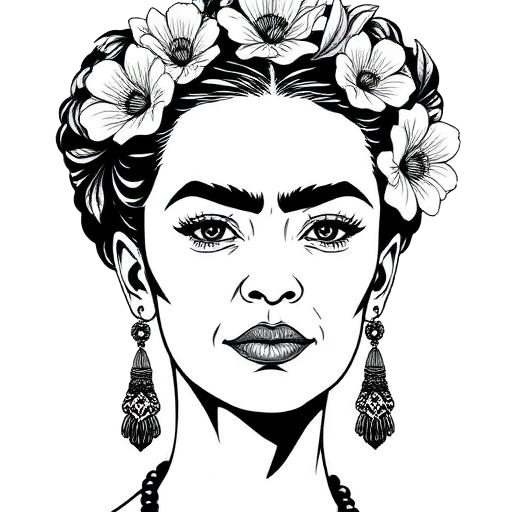
The Expressionist
Structure + Depth
after Frida Kahlo
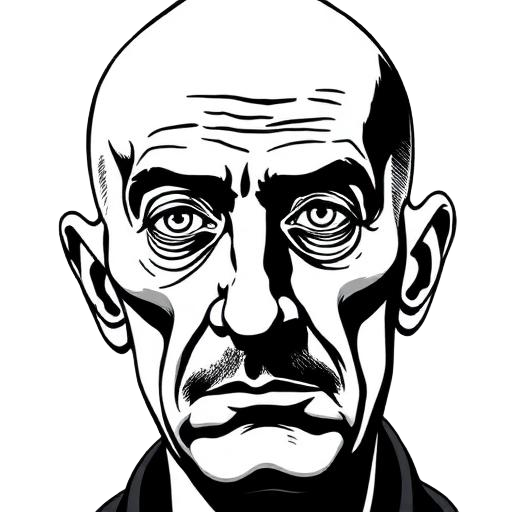
The Innovator
Spontaneity + Breadth
after Pablo Picasso
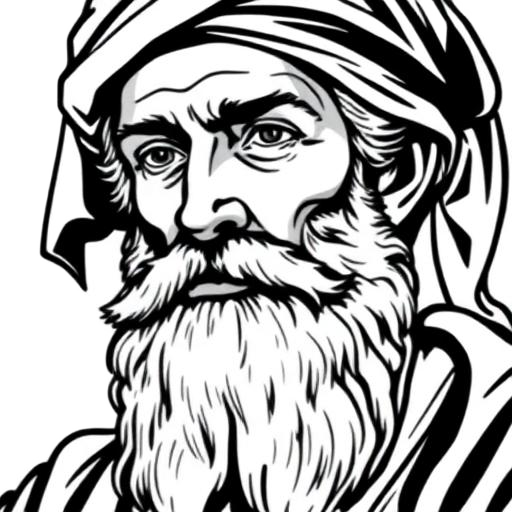
The Master Builder
Spontaneity + Depth
after Michelangelo
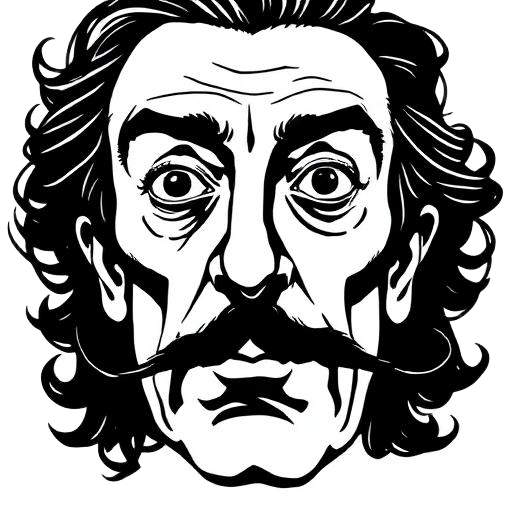
The Maverick
Structure + Breadth
after Salvador Dalí

The Minimalist
Structure + Depth
after Agnes Martin
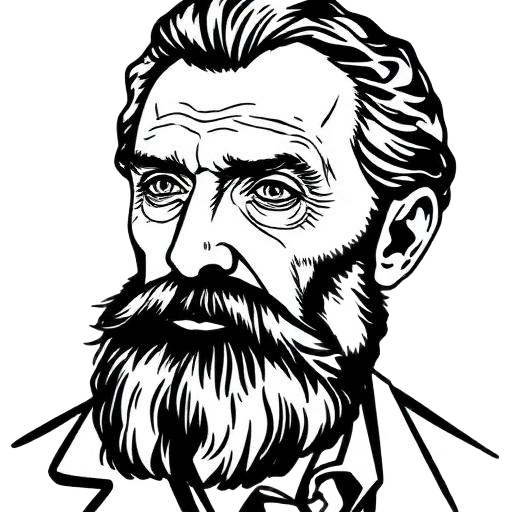
The Passionate
Structure + Depth
after Vincent van Gogh
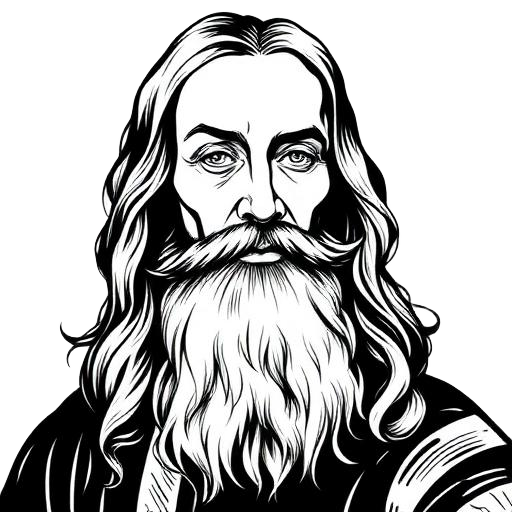
The Polymath
Spontaneity + Breadth
after Leonardo da Vinci
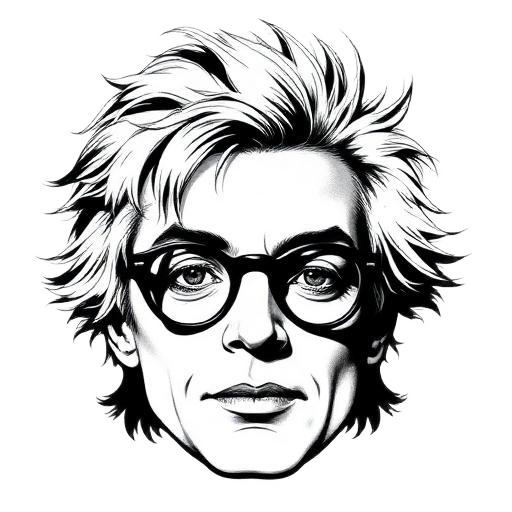
The Trendsetter
Spontaneity + Breadth
after Andy Warhol
I built an assessment to identify the archetypes.
It looks at how someone naturally thinks, works, decides, creates, and responds under pressure.
The same advice does not land the same way in every nervous system. A person who needs containment hears "be more disciplined" very differently from someone already placing a lot of internal pressure on themsleves.
Once someone knows their archetype, they can utilize the framework as their new CreateMethod "identity."
Each archetype has a predictable stall point.
When I started teaching, I noticed that the archetypes started stalling in patterns.
A few examples:
The Polymath
Sees connections everywhere and struggles to choose one direction long enough to finish.
The Expressionist
Has deep emotional clarity and hesitates when the work needs to be exposed.
The Passionate
Cares so deeply that devotion becomes identity and over-refinement.
The Master Builder
Carries a perfectionistic long-term vision and waits too long to release work.
Every archetype needs to master two pillars.
When momentum stalls, we can identify the one or two pillars that need attention and break the next moves into micro-steps.
A Polymath
A Passionate
A Master Builder
Other archetypes have their own journey as well.
The methodology honors identity without shaming the stall point.
The CreateMethod starts with identity.
Most people have been handed systems that ask them to override themselves. I was. I burned out in corporate America, was put into cages, and was shamed for ideating differently than most of my team.
The CreateMethod asks:
- How does this person naturally create?
- Where do they lose trust in themselves?
- Which part of the cycle is too hard?
- Which pillar helps them regain momentum?
Your ideation process should match the way your mind actually creates. The CreateMethod helps you see your patterns, understand the places where momentum breaks, and work the pillars that get you back into motion.
Confidential · Share only with permission · kendra@createmethod.co